
Romans on the Moselle
Julius Caesar and the Gallic Wars
Useful web sites:
Gallic Wars:
https://en.wikipedia.org/wiki/Gallic_Wars
Julius Caesar:
https://en.wikipedia.org/wiki/Julius_Caesar
Treveri:
https://en.wikipedia.org/wiki/Treveri
Indutiomarus:
https://en.wikipedia.org/wiki/Indutiomarus
Cingetorix:
https://en.wikipedia.org/wiki/Cingetorix_(Gaul)
Vercingetorix:
https://en.wikipedia.org/wiki/Vercingetorix
Battle of Gergovia:
https://en.wikipedia.org/wiki/Battle_of_Gergovia
Titus Labienus:
https://en.wikipedia.org/wiki/Titus_Labienus
Selected literature:
Julius Caesar: Gallic Wars
https://thelandmarkcaesar.com/
Caesar: Life of a Colossus
https://en.wikipedia.org/wiki/Caesar,_Life_of_a_Colossus
Google map links to selected “Gallic Wars” locations:
Alesia (museum):
https://maps.app.goo.gl/ep3Fr3EpMJHRqRmj9
Gergovia (museum):
https://maps.app.goo.gl/sjsVPt5KPwMmMZHz7
Bibracte (museum):
https://maps.app.goo.gl/KR3HpavUyLxLqMRF9
Titelberg: Oppidum of the Treveri:
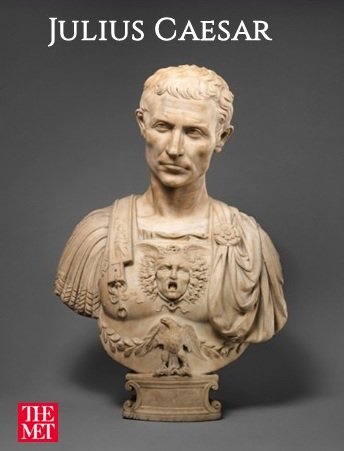
In the year 58 BCE, following his one-year stint as consul, Julius Caesar was appointed proconsul of Rome’s two northern provinces; Cisalpine Gaul in Northern Italy and Transalpine Gaul in what is today Southern France. And this assignment would be the springboard for Caesar to ultimately conquer all of Gaul, a task that would take him eight years to complete.
The Celtic Tribe of the Treveri, residing in the Moselle region, could not agree among themselves on whether to accommodate Caesar or to resist him. The Roman-friendly chieftain Cingetorix was for a while upstaged by Indutiomarus (his own father-in-law), who led the Treveri resistance against the Romans. This continued even after Indutiomaris himself was killed in battle in the winter of 54/53. Already the following year, however, the Treveri warriors were defeated by the Romans under the leadership of Titus Labienus, Caesar’s trusted legate, placed with one legion in the vicinity of the Treveri.
By 49 BCE, the Gallic Wars were over and Caesar returned to Rome with his legions, thus triggering a series of Roman civil wars that would not be finally concluded until Octavian’s defeat of Mark Antony at Actium two decades later.
Following Caesar’s conquest of Gaul, also the Treveri submitted to Roman rule. Growing trade and economic prosperity characterised the decades of post-war Gallic peace. Treveri warriors were recruited as auxiliaries into the Roman army. Although social changes were slow at first, Romanisation of the Treveri gained momentum in the Augustan era. The political and economic role of their Oppidum hillfort at Titelberg faded, and the Treveri leadership was encouraged to relocate to their new Roman capital city, “Augusta Treverorum”, today known as Trier.